When to Accept a Settlement — and When to Go to Trial in Florida Personal Injury Cases

One of the most important decisions in any injury claim comes near the end, when an insurer makes an offer and the injured person must decide whether to accept it or keep pressing toward a jury. There is no single right answer, because the choice depends on the evidence, the strength of the defense, and what the injured person needs from the outcome. Across Florida, from Fort Myers to Jacksonville, the same state laws and court procedures shape how that decision unfolds. Understanding those rules can help people weigh an offer with clear eyes rather than under pressure. Anyone facing this choice may benefit from discussing the details with a personal injury attorney in Fort Myers who can review the risks and options for their particular case.
How Personal Injury Cases Usually Resolve in Florida
Most injured people never see the inside of a courtroom, but the possibility of trial still influences every stage of a claim. Knowing how cases typically move forward can make an offer easier to evaluate.
Why Most Claims Settle Before Trial
The large majority of personal injury claims resolve through negotiation rather than a jury verdict. Florida generally allows two years from the date of an injury to file most negligence lawsuits, and many claims settle either before that filing or while the lawsuit is pending. Once a lawsuit begins, it proceeds in the circuit court for the county where it was filed, and scheduling and trial calendars can stretch the process over many months. Both sides often weigh the time, cost, and uncertainty of trial against the benefits of reaching an agreement.
The Role of Court-Ordered Mediation
Florida courts commonly require the parties in civil cases to attend mediation before trial. A neutral mediator helps both sides discuss the strengths and weaknesses of their positions, but the mediator cannot force anyone to settle. Mediators in court programs are typically certified through the Florida Dispute Resolution Center, which operates under the Florida Supreme Court. Many cases settle at or shortly after mediation, while others continue toward trial when the gap between the parties remains too wide.
Factors That May Favor Accepting a Settlement
A fair settlement can offer real advantages, especially when the evidence leaves room for doubt. The table below compares some common factors that may point toward settling or toward trial.
| Factor | May Favor Settlement | May Favor Trial |
|---|---|---|
| Liability | Fault is disputed or shared | Fault is clear and well documented |
| The offer | Reasonably reflects documented losses | Leaves major losses unaddressed |
| Timing needs | Funds are needed sooner | The person can wait for a verdict |
| Privacy | Keeping details private matters | A public record is acceptable |
When Liability or Damages Are Uncertain
Under Florida’s modified comparative fault rule, an injured person who is found more than 50 percent at fault generally cannot recover damages, and a smaller share of fault reduces the recovery. When the evidence about fault is mixed, a jury could assign a percentage that shrinks or eliminates an award. Damages can be uncertain too, particularly when medical opinions conflict. In these situations, a settlement may provide a known result instead of a risky one.
The Value of Certainty, Speed, and Privacy
A settlement usually brings the claim to a close sooner than a trial and avoids the possibility of an appeal. It also allows the terms to remain more private than courtroom testimony and a public verdict. For someone facing mounting medical bills or time away from work, that certainty may carry significant value. It is important to remember, however, that a settlement is generally final, so future needs should be understood before any release is signed.
When Going to Trial May Make Sense
Some offers do not fairly account for the harm a person has suffered. In those cases, presenting the claim to a jury may be worth considering, despite the added time and risk.
Offers That Fall Short of Documented Losses
An offer may overlook future medical care, lost earning capacity, or the lasting effects of an injury on daily life. When the medical records and other evidence clearly support those losses, refusing a low offer may be a reasonable choice. Even so, a jury may award more, less, or nothing at all, so the decision always involves risk. Comparing the offer against a realistic range of possible outcomes can help put that risk in perspective.
Disputes That Turn on Credibility
Some cases come down to whose account a jury believes, such as conflicting versions of how a crash happened. A jury can hear witnesses directly, observe their demeanor, and judge credibility in ways that an insurance adjuster reviewing a file cannot. Dante Weston, who was a member of the trial team at Stetson University College of Law, recognizes that a credibility dispute can only be evaluated honestly when a case has been prepared as though it will be tried. That preparation can also give the injured person a clearer view of whether trial is worth the risk.
Proposals for Settlement and Their Consequences
Florida law allows either side to make a formal proposal for settlement under section 768.79 of the Florida Statutes. If a party rejects a proposal and the final judgment differs from it by at least 25 percent in the proposing party’s favor, the rejecting party may be required to pay the other side’s attorney’s fees and costs incurred after the proposal. This rule can raise the stakes of turning down an offer. Evaluating a formal proposal carefully, with the full record in view, is an important part of deciding whether to go forward.
Making an Informed Choice About Your Case
Deciding when to accept a settlement and when to go to trial in a Florida personal injury case requires a clear view of the evidence, the legal rules, and your own needs. At Weston & Pape, we help clients understand the risks and possible outcomes on each path so they can make the decision that fits their situation. Our founding partner, Dante Weston, played Division I college football at the University of Miami and Brown University, and the preparation habits that the sport demanded carry into how our team readies every case, whether it settles or goes before a jury. If you are weighing an offer, our Fort Myers injury attorneys can review it with you. We encourage you to reach out for a free consultation.
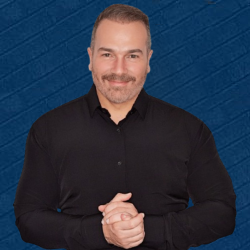
John Pape is the Managing Partner at Weston & Pape and has more than 30 years of experience representing injured clients across Florida. A summa cum laude graduate of the University of Miami School of Law, he has devoted his entire career to personal injury cases, including motor-vehicle accidents, wrongful death, and nursing-home neglect. Recognized by Verdict7, The National Trial Lawyers Top 100, and Premier Lawyers of America, John is known for his thorough preparation and commitment to achieving meaningful results for his clients.

 Call Us Today - It's Free