Motorcycle Accidents Involving Road Debris or Poor Road Conditions in Florida

Motorcyclists in Southwest Florida enjoy year-round riding on routes such as McGregor Boulevard, Summerlin Road, and the stretches of I-75 and US-41 that run through Lee County. Riders also face hazards that drivers in cars may barely notice. A piece of tire tread, a pothole, loose gravel, or a lost cargo item can cause a motorcycle to lose traction or throw a rider from the bike. After storms, fallen branches and debris can remain on roads for days. When a crash is caused by road debris or poor road conditions, the questions of who is responsible and how to recover can be more complicated than in a typical collision. Riders often explore motorcycle accident representation in Fort Myers to understand these issues. This article explains common hazards, the parties who may be responsible, and what claimants should know about insurance and deadlines.
Why Road Hazards Are So Dangerous for Motorcyclists
A motorcycle’s size and design make it more sensitive to road conditions than a passenger car. Understanding these risks helps explain why debris-related crashes can be so serious.
Stability and Exposure
With only two wheels and a small contact patch with the road, a motorcycle can lose traction quickly when it encounters sand, oil, gravel, or an object in the lane. Swerving to avoid a hazard may cause a rider to lose control or move into another lane of traffic. Riders have little physical protection when they fall. The National Highway Traffic Safety Administration’s motorcycle safety resources emphasize protective gear and awareness because riders are especially vulnerable in crashes.
Common Hazards on Local Roads
Hazards may include potholes, uneven pavement at construction zones, missing manhole covers, and raised or broken edges along the road. Debris often comes from unsecured loads in pickup trucks or trailers, blown tires, and landscaping or construction vehicles. After heavy rain or tropical storms, sand and vegetation can wash onto roads. Each type of hazard may point toward a different responsible party.
Who May Be Responsible for a Road Hazard
Identifying who caused or failed to address the hazard is often the central question in these cases. The table below summarizes potential sources of responsibility.
| Type of Hazard | Party That May Be Responsible |
|---|---|
| Cargo or items falling from a vehicle | The driver or company that failed to secure the load |
| Potholes or broken pavement | The government entity responsible for the road |
| Construction zone conditions | A contractor or the agency overseeing the work |
| Debris from a commercial truck | The trucking company or its driver |
Unsecured Loads and Falling Debris
Florida law requires drivers to secure their loads. Under Florida’s statute on vehicle loads, a vehicle generally may not be driven unless it is loaded and covered in a way that prevents its contents from falling, shifting, or escaping onto the road. A driver who fails to secure cargo that falls and causes a crash may be responsible for resulting injuries. The challenge is often identifying the vehicle, since many drivers do not realize that something fell or do not stop.
Road Maintenance and Government Entities
State, county, and city agencies are generally responsible for maintaining the roads they control. A government entity may be liable in some situations if it knew or should have known about a dangerous condition and failed to repair it or warn of it within a reasonable time. Claims against government bodies involve special procedures and damage caps. Road design decisions may be treated differently from routine maintenance failures, which can affect whether a claim is available.
Insurance Issues Motorcyclists Should Understand
Insurance works differently for motorcycles in Florida, and debris-related crashes can create additional coverage questions.
No Automatic PIP Coverage
Florida’s personal injury protection requirement generally does not apply to motorcycles, so many riders do not have PIP benefits for their own injuries. As a result, medical expenses may need to be covered through health insurance, optional medical payments coverage, or a claim against a responsible party. Florida riders over 21 may ride without a helmet only if they carry at least $10,000 in medical benefits coverage. Reviewing the policies available early can help clarify how bills may be paid.
When the Source Cannot Be Identified
If debris came from an unknown vehicle that left the scene, the rider’s own uninsured motorist coverage may apply in some circumstances, depending on the policy terms. Insurers may dispute these claims, particularly when there was no contact with another vehicle. Witness statements, traffic cameras, and photographs of the debris may help support the claim. Reporting the crash to law enforcement promptly can also create an important record.
Protecting a Claim After a Debris-Related Crash
Road hazards can be removed or repaired quickly, so evidence may disappear soon after a crash. Several steps may help preserve a claim.
Documenting the Hazard
If possible, photographing the debris, pothole, or road condition before it is cleared can be extremely helpful. Measurements, close-up images, and wider shots showing the location and lighting may all be useful. Keeping damaged gear, such as a helmet or jacket, can also help show how the crash occurred. Names and contact information of witnesses should be recorded when available.
Notice Requirements and Deadlines
Under Florida’s sovereign immunity statute, a person with a claim against a government entity generally must provide written notice to the agency and to the Department of Financial Services before filing suit, and recoverable damages are capped. Florida generally allows two years to file a negligence lawsuit against private parties. Florida’s comparative fault rules may also reduce a recovery if the rider shares responsibility, such as by riding too fast for conditions. Acting early can help protect these rights.
Moving Forward After a Motorcycle Crash
Road debris and poor road conditions can turn an ordinary ride into a serious crash, and determining who is responsible often takes careful investigation. We understand how frustrating it can be when the cause of a crash seems to have no clear owner. At Weston & Pape, our team works to identify the source of hazards, review government notice requirements, and evaluate every available insurance policy. If you were hurt in a motorcycle crash involving debris or road defects, our Fort Myers motorcycle accident lawyers can review your situation and the options that may apply. We invite you to contact us for a free consultation.
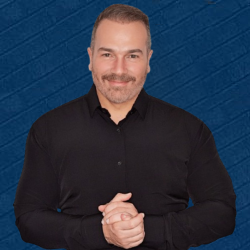
John Pape is the Managing Partner at Weston & Pape and has more than 30 years of experience representing injured clients across Florida. A summa cum laude graduate of the University of Miami School of Law, he has devoted his entire career to personal injury cases, including motor-vehicle accidents, wrongful death, and nursing-home neglect. Recognized by Verdict7, The National Trial Lawyers Top 100, and Premier Lawyers of America, John is known for his thorough preparation and commitment to achieving meaningful results for his clients.

 Call Us Today - It's Free