Long-Term Effects of Soft Tissue Injuries (Whiplash, Sprains) After Florida Car Accidents
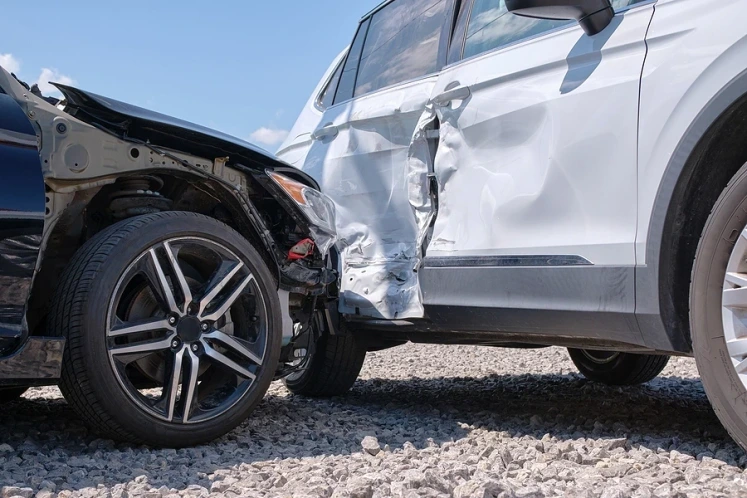
Car accidents can leave more than visible damage to vehicles. Even collisions that seem minor can result in soft tissue injuries like whiplash, sprains, and strains. These injuries often do not show up on X-rays or scans but can have long-term consequences for your health and quality of life. Understanding the potential effects of soft tissue injuries and how they can impact your daily activities is crucial for anyone recovering from a car accident in Fort Myers.
Common Soft Tissue Injuries From Car Accidents
Soft tissue injuries involve damage to muscles, ligaments, and tendons. Two of the most common types seen after car accidents are:
- Whiplash: Occurs when the neck is suddenly jerked forward and backward, often during rear-end collisions.
- Sprains: Injuries to ligaments, which connect bones at a joint, commonly affecting the wrists, knees, and ankles.
Both injuries can range from mild to severe, depending on the force of impact and pre-existing conditions. While these injuries may initially seem minor, they can lead to persistent pain, reduced mobility, and chronic conditions if not properly treated. Symptoms may develop gradually, sometimes appearing days or weeks after the accident.
Long-Term Physical Effects
Soft tissue injuries can have lasting physical consequences:
- Chronic pain and stiffness: Whiplash can cause persistent neck pain, headaches, dizziness, and numbness in the arms or hands. Sprains can lead to joint instability and stiffness.
- Degenerative changes: Untreated injuries may result in arthritis or other joint issues over time.
- Daily limitations: Activities like driving, bending, or lifting can become painful, affecting work and recreational life.
Even minor injuries can significantly reduce mobility and comfort, making daily tasks more challenging and affecting overall quality of life.
Emotional and Psychological Consequences
The impact of soft tissue injuries is not only physical. Chronic pain often leads to:
- Stress and anxiety
- Depression
- Sleep disturbances
Pain can also affect relationships and social interactions. Even when injuries are not life-threatening, prolonged discomfort can create a substantial mental and emotional burden. Comprehensive treatment may include support for mental health alongside physical recovery.
Challenges in Diagnosis and Treatment
Soft tissue injuries are difficult to detect with standard imaging tests:
- X-rays show only bones
- MRIs may miss minor ligament or tendon damage
Delayed diagnosis or inadequate treatment can worsen long-term outcomes. Effective care usually combines:
- Physical therapy to restore mobility and strength
- Medications for pain and inflammation
- Lifestyle adjustments to avoid strain
Early intervention is crucial to prevent minor injuries from becoming chronic problems.
Legal Considerations for Soft Tissue Injuries
In Florida, victims of car accidents can seek compensation for soft tissue injuries and their long-term effects. Establishing a claim can be challenging because these injuries are often invisible. Strong documentation is essential, including:
- Medical records and specialist evaluations
- Physical therapy notes
- Evidence from the accident scene and witness statements
Florida uses a comparative negligence system, meaning your compensation may be reduced if you are partially at fault. Legal guidance can help ensure your rights are protected and that compensation covers medical expenses, lost wages, and pain and suffering.
The Importance of Early and Ongoing Care
Even if symptoms seem minor, seek medical evaluation immediately after an accident. Early care can prevent injuries from becoming chronic. Regular follow-ups allow treatment plans to adjust as needed.
Recovery can also be supported by:
- Maintaining proper posture
- Performing prescribed exercises
- Avoiding activities that strain injured areas
Open communication with healthcare providers about ongoing pain or limitations is vital.
Planning for Long-Term Recovery
Recovery from soft tissue injuries often takes months or even years. Planning for long-term recovery may include:
- Modifying work duties
- Arranging assistance at home
- Gradually increasing physical activity under professional guidance
Legal support can also play a role. Compensation from a personal injury claim can cover ongoing treatment and other necessary care, reducing financial stress and supporting full recovery.
Conclusion
Soft tissue injuries from car accidents in Fort Myers can have lasting effects on both physical and emotional well-being. Whiplash, sprains, and other injuries often appear minor at first but may lead to chronic pain, reduced mobility, and other complications. Early medical evaluation, ongoing care, and proper legal guidance are essential for protecting health and financial stability. Understanding the long-term impact of these injuries empowers victims to take the right steps toward recovery and fair compensation.

John Pape is the Managing Partner at Weston & Pape and has more than 30 years of experience representing injured clients across Florida. A summa cum laude graduate of the University of Miami School of Law, he has devoted his entire career to personal injury cases, including motor-vehicle accidents, wrongful death, and nursing-home neglect. Recognized by Verdict7, The National Trial Lawyers Top 100, and Premier Lawyers of America, John is known for his thorough preparation and commitment to achieving meaningful results for his clients.

 Call Us Today - It's Free