Economic vs. Non-Economic Damages in Fort Myers Wrongful Death Cases
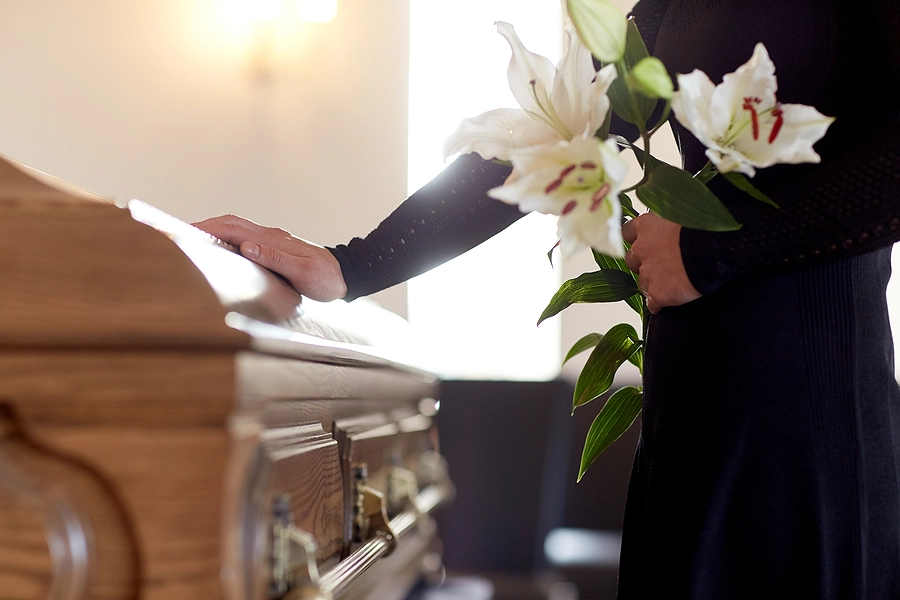
Losing a loved one in a wrongful death accident is an experience no family should face. Beyond the emotional toll, there are often significant financial consequences that can affect a family for years. If the death resulted from someone else’s negligence or intentional actions, Florida law allows surviving family members to pursue a wrongful death claim.
A key part of these claims is understanding the types of damages that can be recovered. These are generally classified as economic and non-economic damages, each serving a different purpose in providing compensation.
Economic Damages Cover Measurable Financial Losses
Economic damages compensate for tangible, calculable financial losses caused by the death. In Fort Myers wrongful death cases, these damages often include:
- Medical expenses incurred before the death
- Funeral and burial costs
- Loss of income or benefits
For example, if the deceased was the primary breadwinner, the family could claim the future income they would have received. This includes wages, bonuses, and potential raises. Other benefits, like health insurance, retirement contributions, or pension plans, may also be considered.
Calculating economic damages typically involves reviewing financial records, employment history, and life expectancy. Actuaries or financial experts are often consulted to estimate lost future earnings. The goal is to place a fair monetary value on the financial impact the death has had on the surviving family.
Non-Economic Damages Address Emotional and Personal Losses
Non-economic damages are less tangible but equally important. They compensate for personal and emotional suffering caused by the death, including:
- Loss of companionship
- Loss of guidance or mentorship
- Loss of emotional support or affection
In a Fort Myers wrongful death case, courts recognize that these losses can deeply affect spouses, children, and parents. Unlike economic damages, there is no straightforward formula for calculating non-economic damages. Factors such as the relationship between the deceased and the claimant, the circumstances of the death, and the overall impact on the family’s quality of life are considered.
Non-economic damages acknowledge the human aspect of the loss. Losing a loved one often means losing daily interactions, life guidance, and emotional stability. While no amount of money can fully replace a person, compensation provides some measure of relief.
Comparing Economic and Non-Economic Damages
Both types of damages are important, but they serve different purposes.
- Economic damages address financial hardship, ensuring families are not left struggling to cover expenses.
- Non-economic damages address the emotional and personal toll of the death.
Courts handle both types carefully, but the calculation and proof requirements differ. Economic damages are documented through receipts, pay stubs, and financial statements. Non-economic damages rely more on personal testimony and demonstration of emotional impact. Expert witnesses like psychologists may provide insight into the family’s suffering.
Challenges in Proving Damages
Proving economic damages can be straightforward if financial records are available, but estimating lost future income requires assumptions about career growth, employment stability, and life expectancy. Mistakes in these assumptions can reduce the compensation awarded.
Non-economic damages are even more challenging because they are subjective. The emotional impact on a family is unique to each case. Judges and juries must evaluate testimony and evidence to determine a fair amount. Florida law does not impose strict limits on non-economic damages in wrongful death cases, but excessive claims are sometimes contested.
The Role of Legal Guidance
Given the complexity of calculating and proving damages, legal representation is essential. An experienced Fort Myers personal injury lawyer can help:
- Document economic losses
- Gather testimony for non-economic damages
- Build a case that maximizes recovery
Lawyers also ensure claims comply with Florida statutes regarding wrongful death. Only certain family members are entitled to file a claim. Understanding who qualifies and what damages are recoverable requires legal expertise. Lawyers also negotiate with insurance companies and represent families in court if necessary.
Practical Steps for Families Pursuing a Claim
Families considering a wrongful death claim should start by gathering:
- Financial documents
- Medical records
- Evidence related to the accident
Documenting funeral expenses, outstanding medical bills, and lost income is crucial for economic damages. For non-economic damages, documenting how the loss has affected daily life helps. Journals, letters, or statements from family and friends can support claims of emotional suffering. Consulting mental health professionals may provide expert testimony to strengthen the case.
Early consultation with a lawyer ensures claims are filed within Florida’s statute of limitations, which typically requires wrongful death lawsuits to be filed within two years of the date of death. Missing this deadline can prevent families from seeking compensation.
Conclusion
Economic and non-economic damages both play vital roles in Fort Myers wrongful death cases. Economic damages address financial losses, helping families maintain stability. Non-economic damages provide recognition of the profound emotional loss that follows the death of a loved one.
Understanding the difference between these damages and the requirements for proving them is essential. Legal guidance is critical to navigate the complexities of the law, accurately calculate damages, and secure fair compensation. While no amount of money can replace a loved one, pursuing these damages can help families find financial stability and a measure of justice in a difficult time.
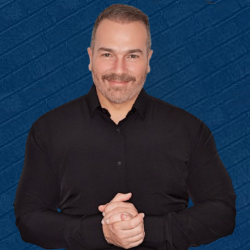
John Pape is the Managing Partner at Weston & Pape and has more than 30 years of experience representing injured clients across Florida. A summa cum laude graduate of the University of Miami School of Law, he has devoted his entire career to personal injury cases, including motor-vehicle accidents, wrongful death, and nursing-home neglect. Recognized by Verdict7, The National Trial Lawyers Top 100, and Premier Lawyers of America, John is known for his thorough preparation and commitment to achieving meaningful results for his clients.

 Call Us Today - It's Free