Debunking Common Myths About Social Security Disability in Fort Myers

Many people in Fort Myers rely on Social Security Disability benefits when a medical condition keeps them from earning a steady income. Yet confusion around the process is widespread. Applicants hear mixed messages from friends, online sources, and even well-meaning professionals who may not understand how the system works. These misconceptions can discourage people from applying or cause them to make mistakes that delay their claims.
Sorting out fact from fiction is more important than most people realize. A disability claim is influenced by medical evidence, legal standards, work history, and strict agency rules. When someone starts the process with inaccurate information, they may miss deadlines, submit incomplete forms, or assume they are ineligible when they actually meet the requirements. This can lead to unnecessary stress during a time when health problems are already weighing heavily.
Myth One
You need to be completely unable to move or function to qualify for disability benefits
A surprising number of people believe disability benefits are only for those with catastrophic injuries or severe physical limitations. In reality, the Social Security Administration (SSA) evaluates whether your medical condition prevents you from maintaining substantial gainful employment. This means the agency looks at how your condition affects your ability to work consistently, not whether you are bedridden or immobilized. For example, someone with advanced heart disease may still perform basic daily tasks but struggle with physical exertion required in their job. A person with severe depression may be able to drive to appointments or handle occasional chores but still be unable to function in a structured work environment.
Disability benefits are designed to support individuals who cannot sustain employment because of medical limitations, not only those with visible impairments. Understanding this distinction can help applicants present more accurate information. You do not need to prove that your life has stopped entirely. You need to show how your health condition limits your ability to work safely and reliably.
Myth Two
You cannot qualify for disability if you have worked in the past year
Some people assume that any recent employment automatically disqualifies them from benefits. This is not always true. While the SSA does set earning limits for what is considered substantial gainful activity, short periods of part-time work, unsuccessful work attempts, or jobs that ended because of worsening symptoms do not automatically make you ineligible. The agency takes a close look at why the person stopped working and whether the job was manageable.
If someone in Fort Myers tried to return to work but their condition forced them to stop after a few weeks or months, the SSA may classify this as an unsuccessful work attempt rather than substantial employment. In other words, trying to support yourself does not count against you. It may even demonstrate how your condition affects your ability to work. Applicants should be honest about their employment history and explain why their attempts to work were difficult or impossible to maintain. A thorough record helps the agency build a clearer picture of what is happening.
Myth Three
Only physical disabilities qualify for benefits
People often think of disability in terms of visible injuries or medical devices. Mental health conditions can be just as disabling, yet they are frequently misunderstood. Conditions such as bipolar disorder, post-traumatic stress disorder, schizophrenia, and severe anxiety can prevent someone from working with the consistency and focus a job requires. The SSA recognizes many mental health disorders as valid grounds for disability benefits. What matters is whether the condition is documented, persists despite treatment, and limits your ability to perform work-related tasks.
Many people in Fort Myers find it difficult to explain the impact of mental health symptoms, especially if they fluctuate. This is why ongoing treatment and detailed medical records are so important. Without them, the agency may struggle to evaluate how the condition affects day-to-day functioning. Applicants dealing with mental health challenges should not assume they will be dismissed simply because their condition is not visible. Proper documentation and consistent treatment can strengthen their claim.
Myth Four
Your doctor’s opinion guarantees approval
A doctor’s support can be extremely valuable, but it does not guarantee a successful claim. The SSA uses its own definition of disability, which may differ from how your physician understands the term. Even if your doctor believes you cannot work, the agency must review medical evidence, test results, treatment notes, and documentation from multiple healthcare providers. What your doctor writes matters, but it must be supported by detailed records that describe your symptoms, functional limitations, and response to treatment.
A short statement saying you are disabled does not carry as much weight as thorough medical documentation. This is why communication with healthcare providers is essential. Patients should explain how their condition affects their daily life, ensuring the doctor’s notes accurately reflect their challenges. Working with a lawyer can also help applicants understand what types of documentation the SSA looks for so they can coordinate with their providers more effectively.
Myth Five
Most claims are denied, so applying is pointless
While many initial applications are denied, this does not mean approval is unattainable. In fact, a significant number of people in Fort Myers receive benefits after appealing a denial. The appeals process exists for a reason. It allows the agency to take a deeper look at the claim, consider additional evidence, and evaluate testimony from the applicant or medical experts.
Denials often happen because the original application lacked sufficient documentation. Sometimes the medical records were incomplete. In other cases, the applicant misunderstood the questions on the forms. These issues can be corrected during the appeals stage. Many people are approved once the SSA has a clearer understanding of the medical condition and work limitations. Giving up after the first denial means walking away from benefits you may rightfully deserve. Appealing is often the most important step in the entire process.
Myth Six
Hiring a lawyer is unnecessary and does not change the outcome
Some applicants hesitate to seek legal help because they believe disability claims are straightforward. The reality is that the rules, medical requirements, and deadlines can be overwhelming. A small mistake can lead to delays or a denial. A lawyer familiar with disability law can identify weaknesses in your claim, ensure your paperwork is complete, and help gather the evidence the SSA expects to see.
In Fort Myers, many applicants feel more confident during the process when they have guidance from a legal professional. Disability lawyers understand how to interpret medical records, what questions to ask doctors, and how to prepare for hearings before an administrative law judge. While no attorney can guarantee a result, legal support often leads to stronger, clearer, and more organized claims.
Conclusion
Understanding what is true and what is not can make a significant difference for anyone pursuing disability benefits in Fort Myers. Misinformation can create hesitation and confusion at a time when clarity is essential. By recognizing how the SSA evaluates claims and learning which common beliefs are inaccurate, applicants can approach the process with a more realistic perspective.
Those who are unsure about their eligibility or struggling with an existing claim can benefit from speaking with a lawyer who handles disability cases. A legal professional can offer guidance, review medical documentation, and help complete every stage of the process with care. No one should have to navigate the claims system alone, especially when health problems are already creating uncertainty.
For people facing long-term medical challenges that limit their ability to work, disability benefits can provide crucial financial stability. Clearing up these misunderstandings is the first step toward securing the support you need.
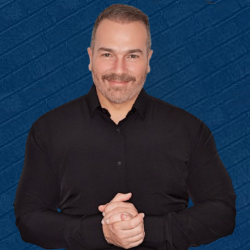
John Pape is the Managing Partner at Weston & Pape and has more than 30 years of experience representing injured clients across Florida. A summa cum laude graduate of the University of Miami School of Law, he has devoted his entire career to personal injury cases, including motor-vehicle accidents, wrongful death, and nursing-home neglect. Recognized by Verdict7, The National Trial Lawyers Top 100, and Premier Lawyers of America, John is known for his thorough preparation and commitment to achieving meaningful results for his clients.

 Call Us Today - It's Free