Coping With Emotional and Psychological Trauma After Car Accidents in Fort Myers
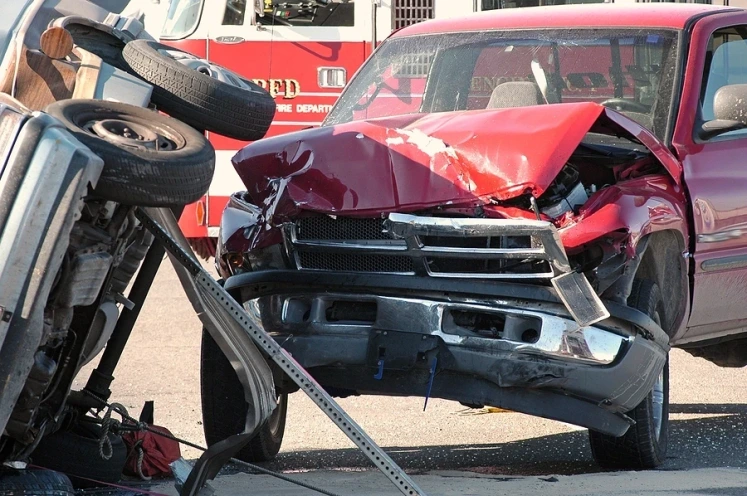
Car accidents can be life-changing in more ways than one. While physical injuries are often obvious and immediate, the emotional and psychological impact can be equally, if not more, challenging. Survivors may experience stress, anxiety, depression, or even post-traumatic stress disorder (PTSD). Understanding these effects and knowing how to cope is essential for recovery.
Recognizing the Signs of Emotional Trauma
After a car accident, emotional reactions can vary widely. Some people experience immediate shock, confusion, or numbness. Others may not notice the impact until days or weeks later. Common emotional responses include:
- Intense fear or anxiety while driving or being a passenger
- Nightmares or flashbacks related to the accident
- Irritability or mood swings
- Difficulty concentrating at work or home
- Avoidance of places or situations that trigger memories of the crash
- Feeling detached or disconnected from loved ones
These responses are normal, but if they persist or interfere with daily life, it may be a sign of more serious psychological trauma that requires professional attention.
Understanding the Causes of Post-Accident Stress
Emotional trauma after a car accident is often caused by the suddenness and severity of the event. The brain perceives danger and activates a stress response, releasing adrenaline and cortisol. This reaction is meant to protect you, but it can also leave lasting psychological effects.
Other factors that may increase stress include:
- Physical injuries and ongoing pain
- Loss of mobility or independence
- Financial pressures from medical bills or lost income
- Concerns about insurance claims or legal proceedings
- Feeling unsafe on the road again
Recognizing these factors helps survivors understand that their emotional response is valid and not a sign of weakness.
Practical Steps for Coping With Trauma
Recovery from emotional trauma takes time, and there is no one-size-fits-all solution. However, some strategies can help survivors manage stress and gradually regain a sense of normalcy:
Seek Professional Help
Speaking with a therapist or counselor experienced in trauma can be highly effective. Cognitive-behavioral therapy (CBT) and trauma-focused therapies can help individuals process the event, manage intrusive thoughts, and develop coping skills.
Lean on Support Networks
Family and friends can provide essential emotional support. Talking openly about feelings can reduce isolation. Support groups for car accident survivors may also offer a sense of community and shared understanding.
Establish Routines
Returning to a regular schedule for sleep, meals, and physical activity can create stability and reduce anxiety. Simple routines provide a sense of control when life feels unpredictable.
Practice Mindfulness and Relaxation
Techniques such as deep breathing, meditation, and guided visualization can help calm the nervous system. Mindfulness exercises encourage staying present and reducing rumination on the accident.
Gradual Exposure
Avoiding driving or car-related activities entirely can reinforce fear. Gradual exposure, such as sitting in a parked car or taking short drives with a trusted companion, can help rebuild confidence safely.
Limit Stressors Where Possible
While it may not be possible to avoid stress entirely, reducing unnecessary stress can aid recovery. This could mean delegating tasks, temporarily reducing work hours, or simplifying daily responsibilities.
The Role of Legal Support in Reducing Stress
Dealing with the aftermath of a car accident often involves insurance claims, medical bills, and legal considerations. The uncertainty of compensation and liability can heighten emotional strain.
Working with a personal injury lawyer in Fort Myers can help survivors focus on recovery rather than navigating complex paperwork or battling insurance companies. A lawyer can handle negotiations, ensure proper documentation of injuries, and advocate for fair compensation. Knowing that a professional is managing the legal side can alleviate a significant portion of stress.
Long-Term Emotional Recovery
Healing from emotional trauma is rarely linear. Some days may feel like progress, while others may trigger old fears or anxiety. Patience and self-compassion are essential.
Monitoring symptoms over time is also important. If feelings of depression, anxiety, or anger persist or worsen, it may be necessary to adjust treatment strategies. Mental health professionals can tailor interventions to an individual’s specific needs.
Building resilience involves not only addressing trauma but also reinforcing positive coping mechanisms. Engaging in hobbies, exercise, social activities, and goal-setting can provide a sense of purpose and control.
When to Seek Immediate Help
Certain symptoms should not be ignored and require prompt professional attention. These include:
- Thoughts of self-harm or suicide
- Severe depression or anxiety that prevents daily functioning
- Persistent flashbacks or nightmares that disrupt sleep
- Inability to leave home due to fear of driving or being in traffic
If any of these signs occur, contacting a mental health professional or calling a crisis hotline is critical. In the United States, the Suicide and Crisis Lifeline can be reached at 988.
Conclusion
Recovering from a car accident is not only about healing the body but also about tending to emotional and psychological well-being. Survivors in Fort Myers face unique challenges, but with professional support, practical coping strategies, and the right legal guidance, recovery is possible.
Addressing emotional trauma early can prevent long-term issues, improve quality of life, and help survivors regain confidence in daily routines. Taking care of mental health is as important as treating physical injuries. Seeking help is a sign of strength, and no one should face the aftermath of a car accident alone.
John Pape is the Managing Partner at Weston & Pape and has more than 30 years of experience representing injured clients across Florida. A summa cum laude graduate of the University of Miami School of Law, he has devoted his entire career to personal injury cases, including motor-vehicle accidents, wrongful death, and nursing-home neglect. Recognized by Verdict7, The National Trial Lawyers Top 100, and Premier Lawyers of America, John is known for his thorough preparation and commitment to achieving meaningful results for his clients.

 Call Us Today - It's Free