Comparative Fault and Premises Liability Cases in Fort Myers
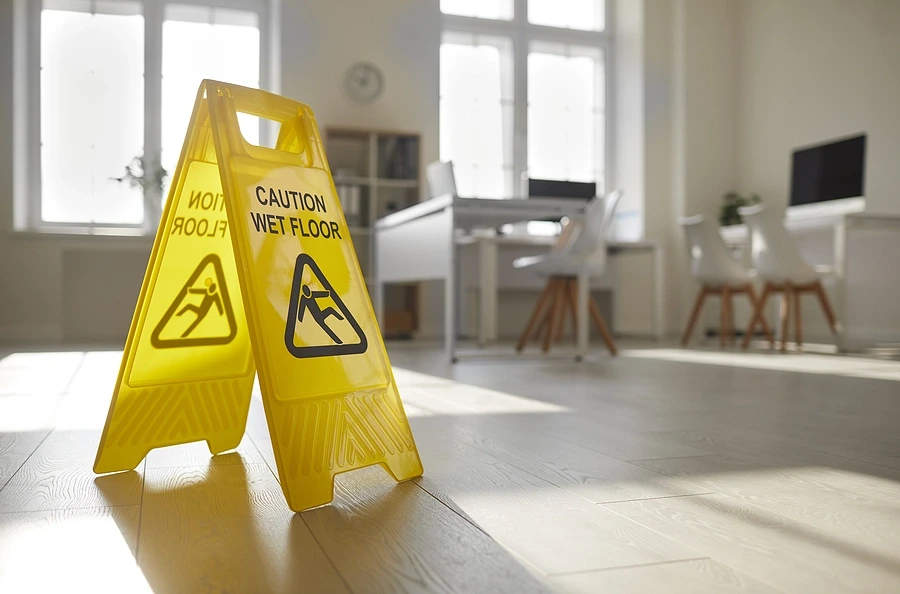
In Fort Myers, accidents on someone else’s property can lead to serious injuries and complex legal questions. Premises liability law addresses these situations, holding property owners responsible when unsafe conditions cause harm. However, not all accidents are straightforward. Sometimes, the injured party may share some responsibility for what happened. This is where comparative fault comes into play. Understanding how comparative fault works in premises liability cases is essential for anyone pursuing a claim.
What Premises Liability Means
Premises liability claims arise when a property owner fails to maintain a safe environment. Common examples include slip and fall accidents due to wet floors, uneven surfaces, or poorly maintained stairs. Other situations may involve inadequate security, like broken locks or poorly lit areas that allow criminal activity. Property owners have a legal duty to take reasonable steps to protect visitors. When they fail to do so and someone is injured, they can be held liable for damages.
Understanding Comparative Fault
Comparative fault complicates these claims. Florida follows a system called “pure comparative negligence.” Under this system, an injured person can still recover damages even if they were partially at fault. However, the amount of compensation is reduced based on the percentage of fault attributed to the injured party. For example, if a visitor slips on a wet floor and the court finds they were 20% responsible for not paying attention, their damages award will be reduced by that 20%.
Determining Fault in Premises Liability Cases
The determination of fault is often a detailed process. Evidence is key. Property maintenance records, security camera footage, witness testimony, and photographs of the accident scene can all play a role. Attorneys for both sides will present evidence showing whether the property owner acted reasonably and whether the injured party contributed to the accident. Courts or insurance adjusters carefully weigh these factors when deciding fault percentages.
How Comparative Fault Affects Settlements
Comparative fault can significantly impact settlements. In many premises liability cases, defendants argue that the injured person’s behavior contributed to the accident. For example, a property owner might claim that a person was running, not watching where they were walking, or ignoring posted warnings. Even minor actions can reduce the amount of compensation, making legal guidance crucial.
The Role of Insurance Companies
Insurance companies also play a role in these cases. They often assess claims based on perceived fault percentages. An adjuster may attempt to minimize payouts by emphasizing the injured party’s responsibility. Legal representation ensures that all evidence is properly considered, and that the injured person’s role is not overstated. A skilled attorney can help negotiate a fair settlement, ensuring the damages reflect the actual degree of responsibility of all parties involved.
Cases Involving Multiple Defendants
Premises liability cases can involve multiple defendants. For instance, if an injury occurs in a shopping center, both the store and the property owner might share responsibility. Comparative fault applies across all parties. Each defendant may argue that someone else, including the injured person, shares responsibility. This makes navigating the claims process more complicated, requiring careful analysis of facts and documentation.
Types of Injuries and Their Impact
Certain types of injuries make understanding comparative fault even more important. Slip and fall accidents, for example, often have conflicting accounts of how the incident occurred. Minor details can shift fault percentages. Medical evidence also influences these determinations. The severity of injuries and the need for ongoing treatment can increase potential damages, but comparative fault will still adjust the final award.
Property Owner Responsibilities in Fort Myers
In Fort Myers, property owners have legal duties that extend to all lawful visitors. Even if someone is trespassing, owners cannot intentionally cause harm. However, trespassers generally face higher hurdles for recovery. Comparative fault principles still apply but may be weighed differently depending on the circumstances. The law carefully balances the responsibility of property owners with the actions of visitors.
Why Legal Guidance Matters
Understanding the nuances of comparative fault in premises liability cases can make a substantial difference for injured parties. Without legal guidance, it’s easy to underestimate the impact of partial fault on a claim. An experienced Fort Myers personal injury attorney can evaluate the circumstances, gather necessary evidence, and advocate for maximum compensation. They can also handle negotiations with insurers and ensure deadlines and procedural requirements are met.
Acting Quickly Is Critical
Time is a critical factor in premises liability claims. Florida law imposes strict deadlines, or statutes of limitations, for filing personal injury lawsuits. Typically, an injured person has four years from the date of the accident to file a claim against a property owner. Failing to act promptly can result in losing the right to recover any compensation, regardless of fault. Consulting an attorney as soon as possible helps preserve evidence and strengthens the case.
Conclusion
Premises liability claims in Fort Myers are often complicated by the principles of comparative fault. While property owners have a duty to maintain safe conditions, injured visitors may still share responsibility. Florida’s pure comparative negligence system allows for recovery even when the injured person is partially at fault, but damages are reduced in proportion to that fault. Proper documentation, legal representation, and a clear understanding of the facts are crucial for obtaining fair compensation. Anyone injured on another person’s property should seek experienced legal advice promptly to navigate these complexities and protect their rights.

John Pape is the Managing Partner at Weston & Pape and has more than 30 years of experience representing injured clients across Florida. A summa cum laude graduate of the University of Miami School of Law, he has devoted his entire career to personal injury cases, including motor-vehicle accidents, wrongful death, and nursing-home neglect. Recognized by Verdict7, The National Trial Lawyers Top 100, and Premier Lawyers of America, John is known for his thorough preparation and commitment to achieving meaningful results for his clients.

 Call Us Today - It's Free