Understanding Comparative Negligence in Fort Myers Car Accident Cases
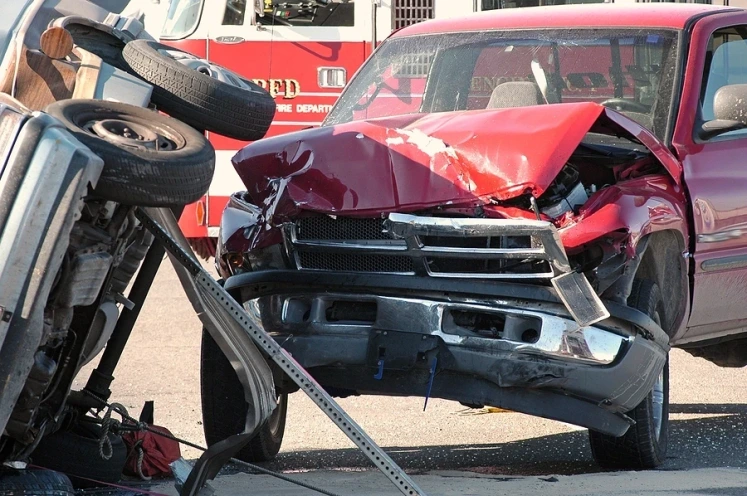
Car accidents can be life-changing, leaving victims with medical bills, lost wages, and emotional stress. Determining who is responsible for a crash is often complicated. In Florida, this process is guided by a legal concept called comparative negligence. Understanding how it works can help Fort Myers accident victims navigate their claims and pursue fair compensation.
What Comparative Negligence Means
Comparative negligence is a principle that allows fault to be divided among multiple parties involved in an accident. Unlike “all-or-nothing” fault systems, Florida uses a modified comparative negligence system. This means that even if you are partly responsible for the accident, you can still recover damages, but your compensation is reduced by your share of fault.
For example, if a driver rear-ends another car while texting, but the other driver was speeding, the court may assign percentages of fault to both drivers. If you are deemed 20% at fault and your total damages are $10,000, your recovery would be reduced by 20%, leaving you with $8,000.
How Fault is Determined
Assigning fault is rarely simple. Police reports, witness statements, traffic camera footage, and insurance investigations all contribute to determining responsibility. Florida law considers:
- Driver behavior leading up to the crash
- Road and weather conditions
- Vehicle maintenance
- Any minor mistakes, like failing to signal a turn
Even small actions can influence how fault is divided.
The 51% Bar Rule
Florida law prevents recovery if a person is more than 50% responsible for their own injuries. This is known as the “51% bar rule.” If a driver is judged 60% responsible, they cannot recover any compensation. This makes strong evidence crucial to show your share of fault is below 50%.
Insurance Companies and Comparative Negligence
Insurance companies often play a major role in these cases. Adjusters may try to assign a higher percentage of fault to the victim to reduce the payout. A Fort Myers personal injury lawyer can:
- Gather evidence
- Communicate with insurers
- Negotiate a settlement that reflects your damages and your actual share of fault
How Damages Are Affected
Comparative negligence affects both economic and non-economic damages:
Medical Expenses and Lost Wages
Medical bills, ongoing therapy, prescriptions, and lost wages are all reduced according to your share of fault. Understanding this helps you plan financially while your case is pending.
Property Damage
Car repairs or replacements may also be reduced. For example, if your car repair costs $5,000 and you are partially responsible, your recovery is decreased proportionally.
Emotional and Psychological Impacts
Pain, suffering, mental distress, and loss of enjoyment are considered non-economic damages. These, too, are reduced according to your fault. Documenting how the accident affects your daily life is important for maximizing recovery.
Accidents with Multiple Parties
Chain-reaction collisions or accidents involving several drivers make fault assignment more complicated. Comparative negligence allows each party to be held accountable for their contribution to the crash, ensuring fairness when no single party is fully responsible.
Evidence is Key
Proving fault relies on strong evidence:
- Photos of the accident scene
- Medical records
- Witness statements
- Smartphone or GPS data
Organizing this information strengthens your position in negotiations or court.
Encouraging Responsible Driving
Comparative negligence also encourages responsible driving. Knowing that partial fault can reduce compensation motivates all drivers to act carefully. Paying attention to traffic signals, speed limits, and road conditions not only prevents accidents but also strengthens your case if one occurs.
Timing and Legal Deadlines
Florida has a statute of limitations for personal injury claims, usually four years from the date of the accident. Filing late can bar recovery, even if you are under 50% at fault. Acting promptly is crucial to protect your rights and preserve evidence.
Negotiating a Fair Settlement
Insurance adjusters may initially offer low amounts to leverage your partial fault. Professional guidance helps ensure you receive fair compensation. A lawyer can calculate damages accurately, negotiate assertively, and explain how comparative negligence affects potential outcomes.
Conclusion
Understanding comparative negligence is essential for anyone involved in a car accident in Fort Myers. This system assigns fault fairly, but compensation is reduced based on your responsibility. Gathering evidence, consulting a personal injury lawyer, and acting quickly are key steps to protect your rights and maximize recovery. Being informed helps victims navigate the process with confidence and focus on recovery, both physically and financially.

John Pape is the Managing Partner at Weston & Pape and has more than 30 years of experience representing injured clients across Florida. A summa cum laude graduate of the University of Miami School of Law, he has devoted his entire career to personal injury cases, including motor-vehicle accidents, wrongful death, and nursing-home neglect. Recognized by Verdict7, The National Trial Lawyers Top 100, and Premier Lawyers of America, John is known for his thorough preparation and commitment to achieving meaningful results for his clients.

 Call Us Today - It's Free