How Seasonal Traffic and Tourist Congestion Affect Car Accident Risk in Fort Myers
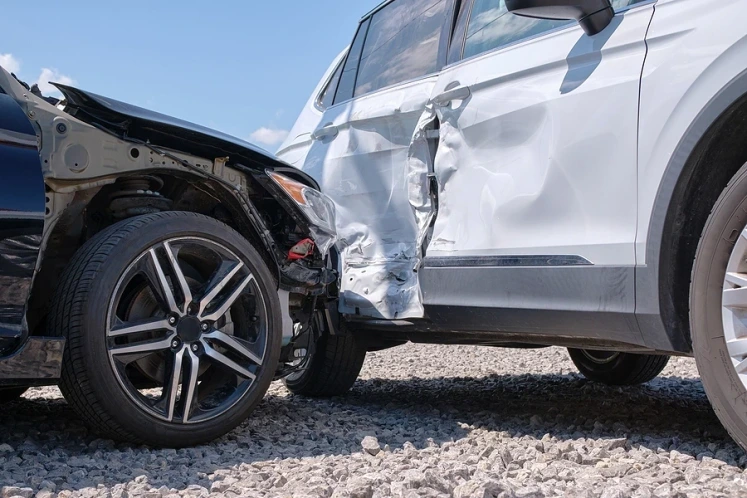
Fort Myers is known for its beaches, warm weather, and steady flow of visitors throughout the year. Seasonal travel brings a boost to local businesses, but it also changes everyday driving conditions in ways that can increase the chance of a crash. Roads that are usually calm become crowded. Intersections feel unpredictable. Even familiar routes start to feel stressful as more drivers compete for the same space. When these seasonal patterns appear, accident numbers often rise as well.
Understanding why seasonal traffic and visitor congestion affect road safety can help residents and tourists make safer choices. It can also help accident victims recognize when another driver’s behavior contributed to a collision. Fort Myers sees significant population shifts between winter tourism, spring break visitors, and peak beach season. Each period brings its own challenges, and drivers face a mix of local habits and unfamiliar driving styles. These conditions create risks that are easy to overlook until a crash happens.
How Population Surges Change Traffic Conditions
When visitor numbers climb, traffic patterns change almost immediately. The roads around Fort Myers Beach, Sanibel, Captiva, and downtown become difficult to navigate. This isn’t just because there are more cars. Congestion develops because the types of drivers on the road vary widely. You may have a local resident who knows every shortcut driving next to someone who is using a GPS for the first time that day. That difference often leads to sudden lane changes, missed turns, and unpredictable braking.
Tourists often slow down to look for parking or points of interest. While this is understandable, it can frustrate nearby drivers who are trying to move through traffic. A driver who becomes impatient may take risks, such as weaving through lanes or accelerating too quickly when a light turns green. Small decisions like these are a common cause of collisions in dense, seasonal traffic.
Another shift happens in parking areas. During peak seasons, popular beaches and shopping centers fill their lots early. Drivers circle repeatedly to find a spot. Many lose focus because they are watching for pedestrians stepping out between cars or backing vehicles. Parking lots become collision hotspots during the winter and spring.
Why Visitors Drive Differently Than Local Residents
Fort Myers attracts visitors from all over the country, many of whom are used to different road environments. Some come from large cities with aggressive traffic patterns. Others arrive from quieter regions with low traffic volumes. These unfamiliar habits mix together on local roads, and the outcome is often unpredictable.
Out-of-town drivers are more likely to rely on navigation apps. This can create distractions because the driver may glance at the screen more often or react suddenly when the device announces a turn. A driver who realizes too late that they are in the wrong lane may swerve without signaling. These last-minute maneuvers frequently lead to sideswipes or rear-end accidents.
Visitors may also be unsure about local traffic rules. Four-way stops, beach access lanes, and bridge ramps can be confusing to someone who has never driven in the area before. They may hesitate when they should proceed or accelerate quickly when they should yield. This hesitation creates chain reactions that can cause a crash even when speeds are low.
Finally, many visitors spend long days in the sun before driving back to their accommodations. Fatigue slows reaction time and makes it harder to judge speed, distance, and braking space. Seasonal crowds often combine tired drivers, unfamiliar roads, and heavy congestion, making conditions ripe for collisions.
How Congested Beach Routes Increase Accident Risk
Some of the busiest roads in Fort Myers lead directly to waterfront areas. These routes attract both residents and visitors, so congestion builds early and lasts for much of the day. When traffic becomes dense, drivers tend to make quick decisions based on limited space. Even a small misjudgment can cause a crash.
On roads with frequent stop-and-go movement, rear-end collisions are especially common. A driver who checks their phone or turns to look at a passenger may fail to notice that traffic has stopped. With so many vehicles packed together, there is little room to correct a mistake.
Left-turn crashes also increase during seasonal congestion. Many intersections along main roads lack protected left-turn signals. When traffic is heavy, some drivers take chances attempting to turn across oncoming cars. If they misjudge the speed or distance of approaching vehicles, the result can be a serious collision.
Congestion also affects emergency response. A crash that would normally be cleared quickly may take longer because emergency vehicles struggle to move through dense traffic. Road closures or slow responses increase the chance of secondary accidents in the same area.
The Role of Pedestrian and Bicycle Traffic
Seasonal visitors in Fort Myers don’t just add more cars to the roads. They also increase foot traffic and bicycle travel in beach areas, shopping districts, and hotel zones. Drivers must share the road with many different types of travelers, and this adds another layer of complexity.
Pedestrians often cross mid-block or step into crosswalks unexpectedly when the area is crowded. Visitors might also underestimate how quickly vehicles approach, especially when they are distracted by sightseeing or conversations. When a driver is already navigating slow-moving traffic, sudden pedestrian movement can lead to panic braking or swerving.
Bicyclists pose additional challenges. Many rentals go to riders who are not used to sharing the road with cars. They may ride too close to traffic lanes or drift across boundaries without signaling. Drivers who do not anticipate these movements can collide with cyclists or veer into other vehicles while trying to avoid them.
The combination of cars, pedestrians, and bicycles makes certain areas especially dangerous during peak seasons. Even minor mistakes can escalate quickly in these environments.
How Road Construction Adds to Seasonal Congestion
Fort Myers experiences year-round growth, and that often means construction zones on major roads. When seasonal traffic increases, these zones become bottlenecks. Lanes narrow, detours appear, and signs change frequently. Visitors may not understand the layout and could make abrupt movements to stay on the correct path.
Construction zones also require slower speeds. Drivers who ignore posted speed limits may create dangerous conditions for workers and other motorists. Sudden braking is common, especially when traffic ahead backs up unexpectedly. These rapid shifts in speed create prime conditions for rear-end and multi-vehicle collisions.
The Legal Impact of Seasonal Traffic on Accident Claims
Accidents that occur during seasonal congestion can present unique challenges in a legal claim. Insurance companies sometimes argue that heavy traffic contributed to the crash, not their insured driver. Victims may need strong evidence to show that another driver acted negligently, such as failing to yield, driving distracted, or making an unsafe lane change.
Crowded areas may also have more eyewitnesses, but their perspectives can differ. A visitor may not recognize the significance of certain driving behaviors or local traffic rules. Photos, videos, and police reports become essential for establishing fault.
Seasonal accidents can also involve rental cars or out-of-state insurance policies. This creates additional complications because some insurers have unfamiliar coverage rules or require extra documentation. A lawyer experienced with seasonal crash claims can help victims navigate these issues and protect their rights.
Steps Drivers Can Take to Reduce Their Risk
Even though seasonal congestion is unavoidable, drivers can take several steps to stay safer during peak travel periods.
- Leave extra time for travel. Rushing increases stress and leads to risky decisions.
- Increase following distance. More vehicles on the road mean fewer opportunities to react.
- Avoid sudden lane changes. Predictability helps prevent chain-reaction accidents.
- Reduce distractions. Tourists may drive unpredictably, so full attention is necessary.
- Use clear signals. Extra communication improves safety when roads are congested.
- Watch for pedestrians and cyclists. Seasonal crowds make non-vehicle traffic more common.
- Maintain patience. A calm approach to driving can reduce aggressive behavior in dense traffic.
- These steps cannot eliminate all risks, but they can help reduce the chance of a collision.
What Victims Should Do After a Crash During Peak Season
If an accident happens during seasonal congestion, victims should take steps to protect their health and their legal options.
- Call emergency services right away. Crowded roads make it even more important to get police and medical help quickly.
- Take photos of all vehicles, the road layout, and the traffic conditions at the time of the crash.
- Collect contact information from witnesses, especially if they are tourists who may leave the area soon.
- Seek medical care the same day. Even minor injuries can worsen, and medical records are important evidence.
- Notify your insurance company promptly, but avoid making detailed statements until you speak with a lawyer.
- Accidents involving seasonal traffic can quickly become complicated, and a personal injury attorney can help victims navigate those challenges.
Conclusion
Seasonal crowds are a part of life in Fort Myers, but they also bring increased risk on the roads. Local drivers do their best to adapt, and visitors often try to navigate unfamiliar roads with care. Even so, mistakes happen and accidents follow. When someone is hurt because another driver acted carelessly, they deserve support in recovering physically, financially, and emotionally.
The changing traffic patterns in Fort Myers make this issue more than a seasonal inconvenience. They create real dangers for drivers, passengers, pedestrians, and cyclists. Understanding why crashes increase during seasonal peaks helps residents and visitors make better decisions behind the wheel. It also highlights the importance of seeking help when an accident occurs, especially when the circumstances are complicated by congestion or unfamiliar drivers.
Anyone injured in a crash during a busy travel season should know that they have rights, and those rights deserve protection. A personal injury lawyer can guide victims through the legal process and help them pursue the compensation they need to move forward.
John Pape is the Managing Partner at Weston & Pape and has more than 30 years of experience representing injured clients across Florida. A summa cum laude graduate of the University of Miami School of Law, he has devoted his entire career to personal injury cases, including motor-vehicle accidents, wrongful death, and nursing-home neglect. Recognized by Verdict7, The National Trial Lawyers Top 100, and Premier Lawyers of America, John is known for his thorough preparation and commitment to achieving meaningful results for his clients.

 Call Us Today - It's Free